Be yourself; Everyone else is already taken.
— Oscar Wilde.
This is the first post on my new blog. I’m just getting this new blog going, so stay tuned for more. Subscribe below to get notified when I post new updates.
Be yourself; Everyone else is already taken.
— Oscar Wilde.
This is the first post on my new blog. I’m just getting this new blog going, so stay tuned for more. Subscribe below to get notified when I post new updates.
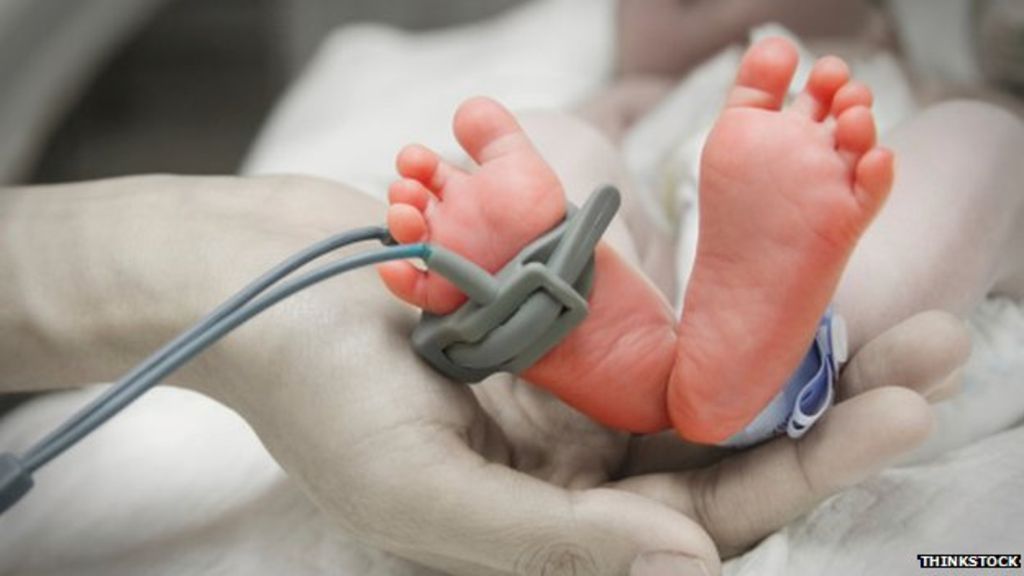
As you can imagine, the loss of a child can be extremely heart-breaking for anybody involved. More so the mother and father of the child who are the closest person to the child. Here I want to discuss the difference in attitude towards males and females after the loss of a child and life after child loss. Life after the loss of a child can be extremely difficult, I personally experienced the loss of my baby the day after I had given birth. Nobody can prepare you for what life will intake after this and the views that others have towards you. Are males treated differently as appose to women after the loss of their child, although they have both experienced the same loss? Are males less likely to receive less sympathy after the loss only due to their gender?
How men are perceived to be after a loss.
Men are perceived to be the less emotional gender and stronger minded due to gender stereotypes. This can in fact prevent the male from grieving over the loss of their child. Males are seen to be the stronger gender and after a loss feel they need to support the woman. This can in fact prevent the male from experiencing their true grief after the loss.
“Men are raised to be decisive, strong, successful, and inexpressive” (Stillion & McDowell, 2001-2002). In reality, both the male and female have experienced the exact loss as one another. The gender of the parent should not prevent the individual from getting through their own grieving stage. A male may be less likely to talk about their feelings due to what they may think others think about them, again this refers us back to gender stereotype.
Situational attribution shows a person’s behaviour due to the situation. This would show why a female or male’s behaviour changes after a child loss due to the situation.
Seeking help after the loss.
I think it is inevitable to say that women are more likely to seek help after the loss of their child than men. One main reason refers us back to the points discussed, that men want or need to be seen as the “manly” one, this however is not the case. The attitudes towards male and females individually from others are completely irreverent when it comes to your own mental health. If you have ever unfortunately experienced this, you would know. It is a shame that males are perceived to be this way, as we are all human and all have emotions.

If males are less likely to seek help than a woman, this could cause serve mental health issues in the future for the male. Could it be in fact that males are too embarrassed to show how they really feel during the grieving process? If you have ever experienced a loss you would know that the grieving process takes time but unfortunately must be dealt with. No matter the gender, it should never be seen you weaker seeking help, this is just part of the grieving process.
How people act towards you after your loss.
Understandably, people find it difficult to find the right words to say to the mother and father after the loss of their child. This inevitably can cause the mother and father to feel lost as even close friends and family sometimes cannot find the right words. From personal experience, the female usually receives more sympathy and comfort as appose to the male. This may be due to it being the woman who has given birth or that the female may show more expression of emotion regarding their loss, this being due to woman supposedly being more open to talking than males.
The feelings and actions that people have towards you after a loss can be difficult. It’s hard because people may feel after a loss that they cannot move forward or continue with their life’s as normal. This being due to how they feel other people will view this or what others may say about this.
Theories linked to child loss.
The ABC Model of Attitudes: Affect, Behaviour & Cognition.
Affective component: this involves a person’s feelings / emotions about the attitude object (McLeod, 2018). The affective component can be related to child loss as the attitude object is the loss of their child. Anytime the person sees or hears about child loss they would instantly refer this back to their own experiences. This will bring back great emotion and memories to the person.
Behavioural (or conative) component: the way the attitude we have influences how we act or behave (McLeod, 2018). This relating to child loss as this is the way in which an individual’s behaviour who has experienced child loss would act towards certain situations. This referring to their emotions.
Cognitive component: this involves a person’s belief / knowledge about an attitude object (McLeod, 2018). This relating to child loss as it shows the knowledge and beliefs of an individual who has experiences child loss and what their thoughts are regarding this. This however would be different for each individual as they have experienced their own story,
I personally think the stigma around men and their mental health plays a large part of why they are treated different to woman after the loss of a child. In conclusion to the discussion, I do not think males should be treated any differently to woman when it comes to emotions. However, males need to understand that the loss of a child is difficult for all and the perception of the male to be “manly” does not stand. Do we really believe a man should not be expecting great loss for their child along with the woman? At the end of the day, male or female we all have emotions and for the loss of your child you can feel however you need to without being judged.
Sites for further reading.
https://www.allpsychologycareers.com/topics/loss-of-a-child.html
References.
McLeod, S. (2018) Attitudes and Behaviour. Available at: https://www.simplypsychology.org/attitudes.html
Accessed: 6th January 2019.
Stillion, J. M., & McDowell, E. E. (2001-2002). The early demise of the “stronger” sex: Gender-related causes of sex differences in longevity. Omega, 44, 301-318.
This is an example post, originally published as part of Blogging University. Enroll in one of our ten programs, and start your blog right.
You’re going to publish a post today. Don’t worry about how your blog looks. Don’t worry if you haven’t given it a name yet, or you’re feeling overwhelmed. Just click the “New Post” button, and tell us why you’re here.
Why do this?
The post can be short or long, a personal intro to your life or a bloggy mission statement, a manifesto for the future or a simple outline of your the types of things you hope to publish.
To help you get started, here are a few questions:
You’re not locked into any of this; one of the wonderful things about blogs is how they constantly evolve as we learn, grow, and interact with one another — but it’s good to know where and why you started, and articulating your goals may just give you a few other post ideas.
Can’t think how to get started? Just write the first thing that pops into your head. Anne Lamott, author of a book on writing we love, says that you need to give yourself permission to write a “crappy first draft”. Anne makes a great point — just start writing, and worry about editing it later.
When you’re ready to publish, give your post three to five tags that describe your blog’s focus — writing, photography, fiction, parenting, food, cars, movies, sports, whatever. These tags will help others who care about your topics find you in the Reader. Make sure one of the tags is “zerotohero,” so other new bloggers can find you, too.

 Social Psychology Louise Bibby